

Transparent orthodontic devices
Transparent orthodontic devices, also known as clear braces or aligners, are a modern orthodontic solution for straightening teeth and improving the bite. They are an alternative to traditional metal braces and are particularly appreciated for their aesthetics and comfort.
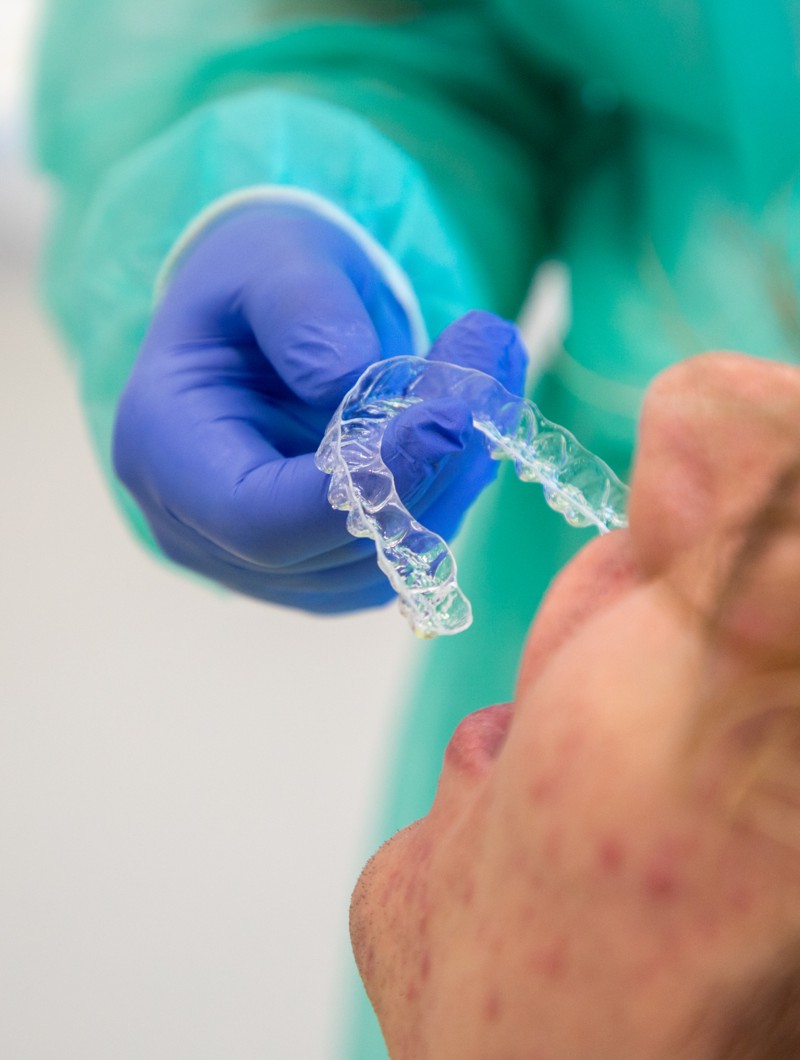
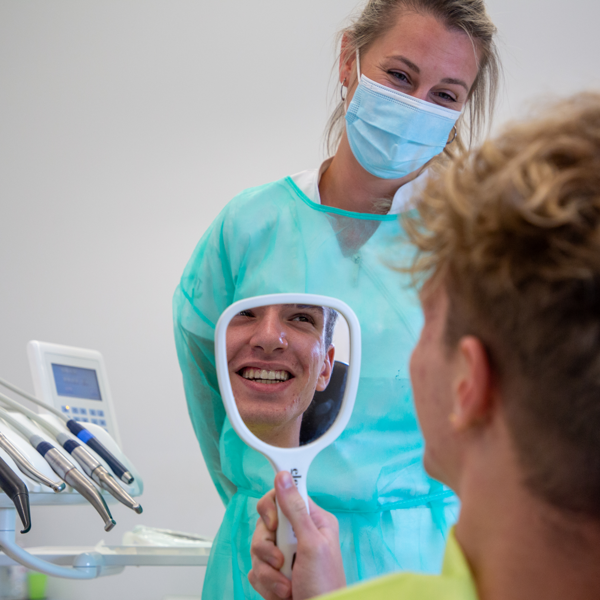
What are transparent braces?
Transparent braces are an effective and aesthetically pleasing solution to straighten teeth. They are ideal for people looking for a discreet orthodontic solution that will not interfere with their daily life.
Who needs transparent orthodontic devices?
A consultation with a dentist or orthodontist will help you determine if transparent braces are right for you. Transparent orthodontic devices are not suitable for all orthodontic problems, and more complicated cases may require the use of traditional braces. The success of the treatment depends on the patient's discipline, as the aligners must be worn for at least 20-22 hours a day.
The transperent braces therapy process is designed to gradually and discreetly shift teeth into the ideal position. Modern technologies and regular monitoring of progress provide patients with a comfortable and aesthetically discreet orthodontic solution.
FAQ
What are the advantages of transparent braces?
- Aesthetics - they are transparent, which is ideal for adults and teenagers who want discreet treatment.
- Comfort - without wires and hooks, so the likelihood of irritation and sores is smaller.
- Convenience - they can be removed during meals and oral hygiene, making it easier to clean teeth and gums.
- Shorter treatment duration - in some cases the treatment may be shorter than with traditional braces.
What aligners do you offer?
- Invisalign (Align Technology):
Invisalign is the most famous and widespread brand of transparent braces. It uses advanced 3D scanning and therapy planning technology to produce customized aligners for each patient. - SimplySmile:
SimplySmile is the first Croatian brand of clear aligners with unique 3D printing and therapy planning technology. They have been on the market for eight years with over 10,000 satisfied patients.
What is the price of the transparent device?
The first step is an examination by a dentist to determine whether your orthodontic problem can be solved with transparent braces.
Next, a diagnostic analysis is performed, which includes a 3D scan of the jaw, photography and orthopantomography. The price of the diagnostic procedure depends on the manufacturer.
The price of the therapy depends on the number of aligners needed, and the duration of the therapy is determined after a diagnostic analysis and a 3D simulation showing the path from the current to the final state of the teeth. The minimum number of aligners is 10.
How to make therapy more effective?
- During therapy with transparent orthodontic appliances, it is advisable to avoid colored foods and drinks, such as coffee, red wine or Coca-Cola. It is also advisable to avoid smoking.
- It is advisable to wear the device for 22 hours a day and to remove it only during meals.
- The device should be washed with a brush or with water before going to bed.

"Modern orthodontics has no age limits and is often closely related to other specialized branches of dental medicine - prosthetics, periodontology and implantology. Such interdisciplinary cooperation is very important and desirable, because it complements the basic dental treatment and ensures the achievement of maximum aesthetic and functional results."
Bernard Kozina, DMD